Stucco on a Jersey Shore home does not age the same as stucco a few miles inland. Coastal weather, salt, wind, humidity, and the occasional storm all push the finish harder than a quiet suburban street ever will. CMB has worked on coastal homes since 1985, and we see the difference on every job.
If your stucco is looking tired faster than it should, the weather is probably part of the story.
Why Coastal Stucco Is Different
Stucco was made to hold up to weather. It does, when the weather is normal. Coastal weather is not normal. Salt, moisture, and wind act on the finish in ways a home in central New Jersey never sees.
The good news is that stucco is still one of the better choices for a coastal home. The bad news is it needs more care to stay that way.
The Main Forces at Work
Salt Air
Salt is the quiet killer. It rides on the wind, settles on the wall, and over time it works into the surface of the finish. Over years, salt weakens the bond between the stucco and the surface coating. It also accelerates the breakdown of any metal fasteners, vents, or flashings nearby.
You cannot see salt damage day to day. It shows up later as fading, surface degradation, and rust streaks running down from fasteners.
Wind-Driven Rain and Sand
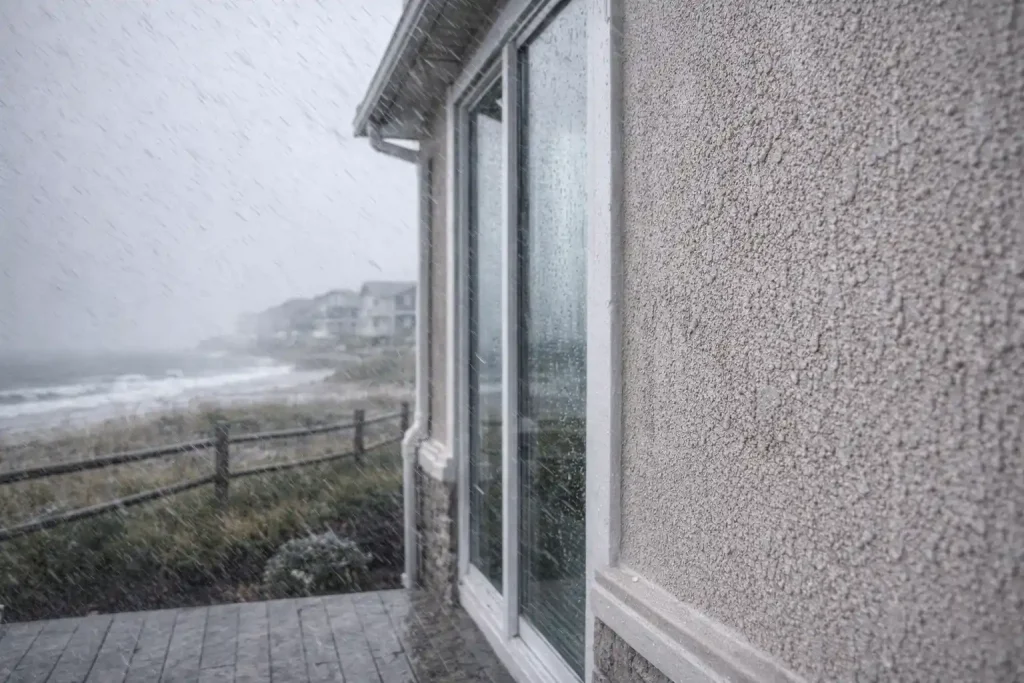
Coastal wind moves rain horizontally. That means rain drives into joints, around windows, and under flashings that would handle a vertical rain just fine. Storms push it harder. Over years, this finds the weak spots in any wall.
Add sand to the wind and you get a slow scouring effect. Beachfront homes get this most. The finish loses a thin layer over time, and the surface dulls.
Humidity and Temperature Swings
Coastal humidity sits high for long stretches of the warm season. Stucco breathes naturally, and high humidity slows that process. Combined with temperature swings between day and night, the result is more expansion and contraction than walls inland deal with.
Over years this shows up as small cracks, especially around windows and trim.
Storm Damage
Nor’easters and the occasional tropical storm push everything to the limit at once. High wind, heavy rain, and flying debris can do in a few hours what normal weather takes years to do. Even small visible damage can hide a problem. The storm may have driven water deep into joints and flashings that need attention before the next storm hits.
What Coastal Weather Does to Stucco Over Time
After a decade or two of coastal exposure, you tend to see:
- Faded color, especially on south and west walls
- Hairline cracks around windows, doors, and trim
- Surface chalking on the most exposed walls
- Rust streaks from old fasteners or vents
- Sealant failure at joints and flashings
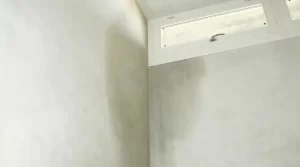
- Mineral staining around downspouts and corners
Any one of these is normal. Several at once means the wall is overdue for attention.
How to Protect Your Stucco
A few steps that pay off for coastal homes:
- Wash the stucco once or twice a year to remove salt and grit
- Inspect joints, flashings, and sealants every spring and fall
- Repaint or recoat on a schedule, not just when the wall looks bad
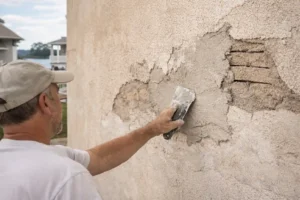
- Address cracks early before they let water in
- Schedule a full inspection every few years
A small effort yearly beats a big repair every decade.
When to Call CMB
Noticed any of the signs above? Not sure what to do? CMB can take a look. We have been working on Jersey Shore stucco since 1985. Coastal homes are a big part of what we do. Free estimates.
Call (732) 400-4020 to schedule an inspection.